Power on the Move: How Flexible Solar Is Transforming Emergency Response
In an era marked by wildfires, remote expeditions, terrorist threats, and military conflicts, the need for rapid, reliable emergency response has never been greater. Modern rescue operations increasingly depend on electronic devices—for communication, diagnostics, and situational awareness. But all of this technology shares a common vulnerability: the need for a stable, portable power source.
Take firefighting as a case in point. Traditionally, crews operated on the ground with limited real-time data, relying on experience and instinct. Today, the dynamics of a fireground can shift in seconds—a collapsing structure, a toxic gas release, a sudden temperature spike. Fatigue and stress further cloud judgment.
What if every firefighter were continuously monitored? Sensors embedded in their gear could track heart rate, blood pressure, skin temperature, and even sweat composition. Motion sensors could detect falls or abnormal positioning. Gas detectors could trigger immediate alerts. A head-up display on the visor could stream all this information in real time, while maintaining constant communication with the command center.
This isn’t science fiction. Smart textiles now integrate microsensors, flexible circuitry, and even printed antennas directly into garments. The result: enhanced safety, faster decisions, and coordinated team response.
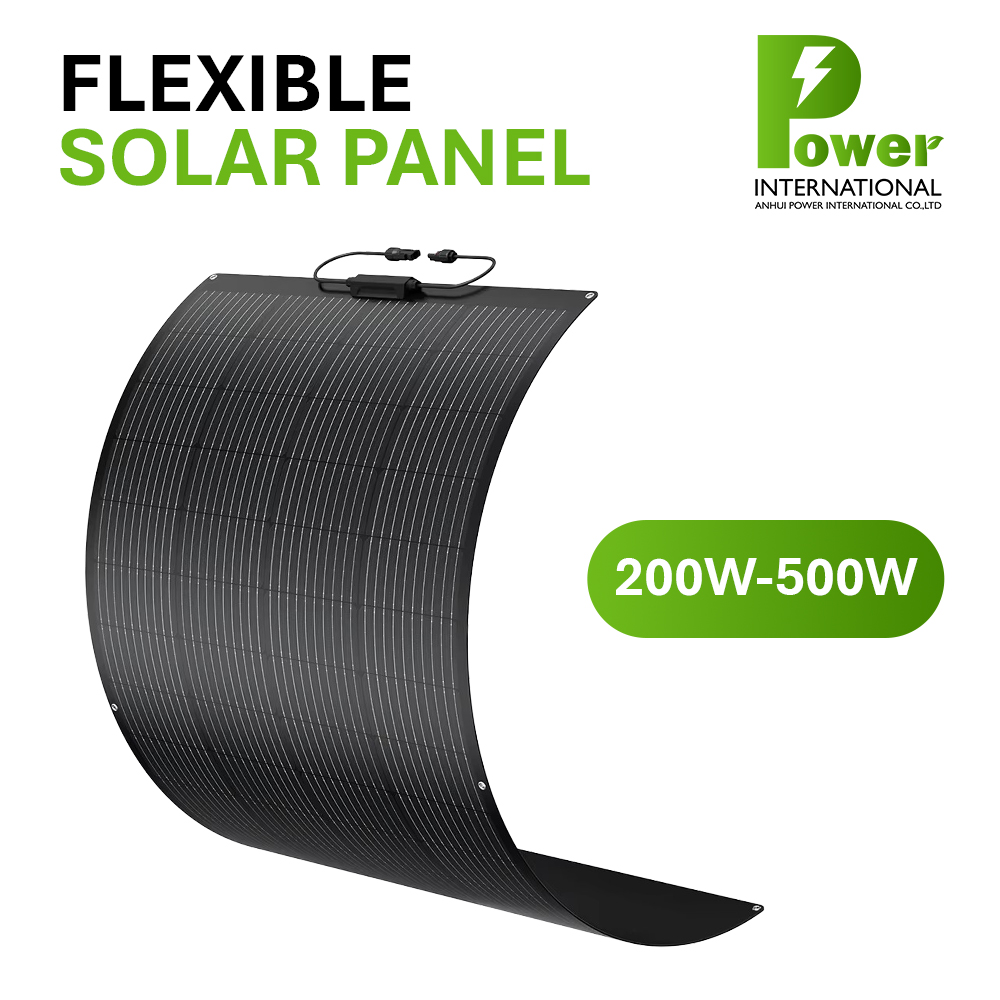
But powering these systems presents a challenge. Batteries are heavy, rigid, and impractical for wearable tech. The solution? Flexible photovoltaics.
Developed by researchers like Maciej Sibiński at Tallinn University of Technology, thin-film solar cells—such as those made from antimony-based materials (Sb?S?, Sb?Se?)—can be embedded into fabrics without compromising flexibility or durability. They resist abrasion, humidity, and even washing, making them ideal for integration into firefighter jackets, tents, sails, or backpacks.
These lightweight, resilient energy sources enable continuous operation of life-saving sensors and communication tools in the field—where every second counts.
While the technology is still evolving, thin-film solar is already entering niche markets. Soon, our clothes won’t just protect us—they’ll power us. And for first responders, that could make all the difference.