7 Essential Spring Solar Maintenance Tips to Maximize Summer Power Generation
Spring serves as a critical performance reset window for solar photovoltaic systems. The maintenance work completed in spring directly determines power generation efficiency throughout the peak summer period. After enduring harsh winter conditions including snow accumulation, surface debris and drastic temperature fluctuations, solar facilities are prone to hidden operational faults. A comprehensive spring inspection and maintenance routine is indispensable to restore systems to optimal working condition and capture maximum sunlight output in summer. Below is a systematic spring maintenance checklist tailored for solar plant operators.
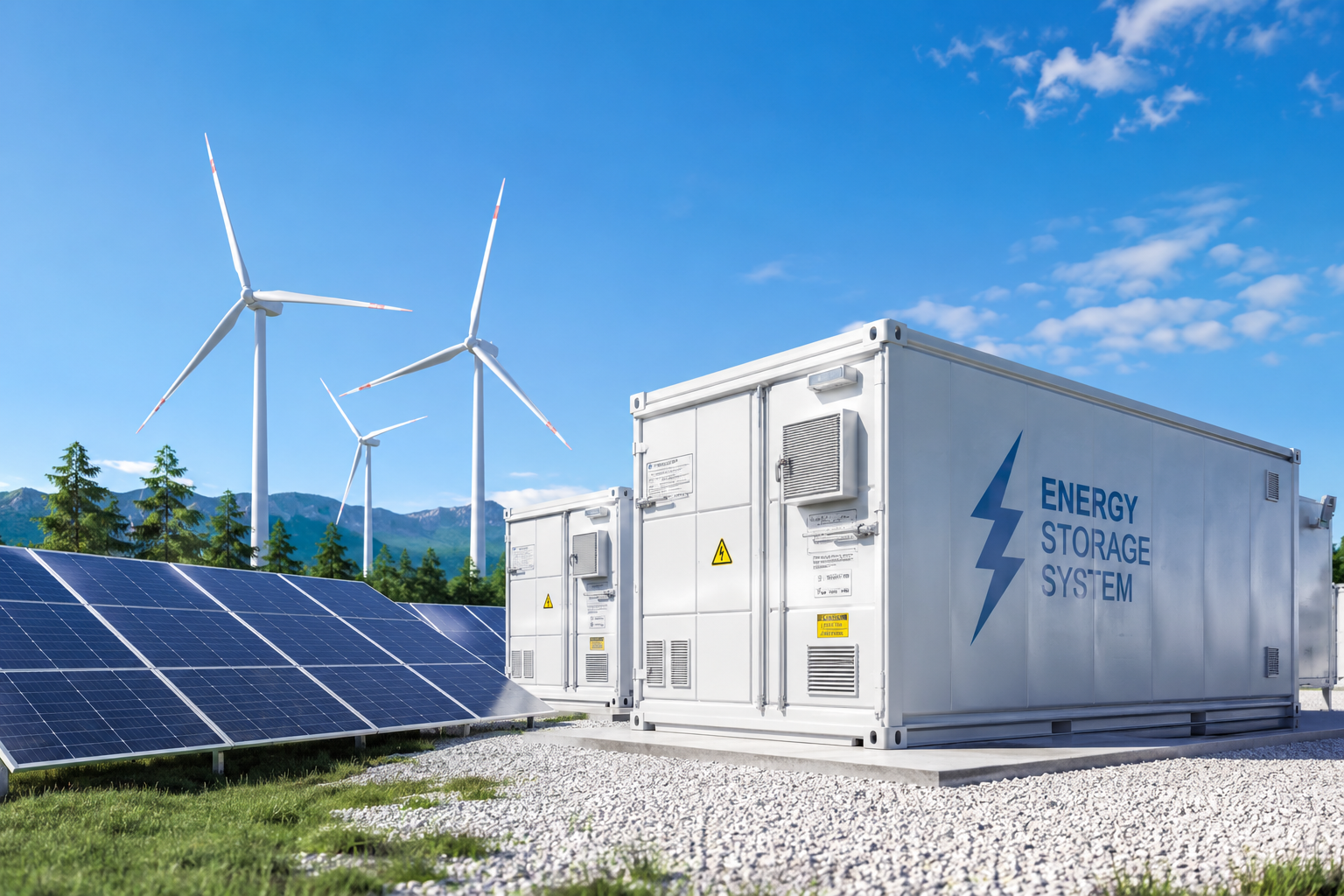
Seven Core Spring Solar Maintenance Guidelines
1. Inspect Winter-induced Hidden Faults Timely
Rising temperatures in summer will amplify equipment operating load. Early detection of winter residual faults can effectively avoid excessive equipment pressure, unplanned system downtime and premature aging of core components. We highly recommend arranging annual professional inspections in spring to check typical wint
er damage and anomalies, including:
- Lifted or unevenly accumulated mounting piles caused by freeze-thaw cycles
- Offset and misalignment of solar tracker arrays
- Overloaded torque tubes, bearings and drive motors under long-term low-temperature stress
2. Recover Electrical System Performance from Cold Weather Damage
Long-term temperature alternations, humid environment and prolonged low-load operation in winter bring persistent damage to electrical accessories of solar power systems. Spring is the optimal time to conduct internal inspections on key electrical equipment including inverter cabinets, combiner boxes and junction boxes. Focused checks should cover:
- Internal moisture buildup and metal corrosion
- Aging and cracked cable insulation layers
- Circuit damage caused by rodent infestation
- Abnormal fault records generated during low-temperature winter periods
- Eliminating these electrical hazards in advance enables the whole system to stably cope with higher power load and longer daily power generation duration brought by increased daylight hours in late spring and summer.
3. Repair Site Roads and Drainage Systems
Spring snowmelt and heavy rainfall often expose defects in plant access roads and drainage facilities that remain unnoticed in winter. Stable and unobstructed site access is a prerequisite for regular vegetation trimming, routine inspections and emergency maintenance work. Operators are advised to complete the following infrastructure upgrades in spring:
- Repair road ruts and soft subsidence sections caused by meltwater erosion
- Clean blocked culverts, drainage ditches and sewer pipelines
- Solve standing water problems to prevent long-term water immersion from damaging solar modules and foundations
- Well-maintained site infrastructure not only protects power generation equipment, cuts down on maintenance time and costs, but also eliminates potential safety hazards as on-site operational work gradually intensifies.
4. Control Vegetation Growth Before Peak Shading Risks
Vegetation on solar sites enters a rapid growth phase starting from late May. Overgrown plants will block solar modules, hinder heat dissipation and even trigger fire risks. Site operators need to carry out proactive vegetation management as follows:
- Complete a full-site vegetation survey in early spring
- Arrange lawn mowing, branch trimming and straw mulching schedules in advance
- Target invasive plants and woody shrubs for targeted removal treatment
- Coordinate vegetation removal construction with module cleaning plans to avoid repeated site entry and construction conflicts
- Proactive vegetation management helps reduce long-term operational expenditures, while preventing module shading, poor ventilation and seasonal fire risks throughout summer.
5. Detect Module Soiling and Form Scientific Cleaning Schedules
Though snowfall can naturally clean solar module surfaces to a certain extent, residual sediment, dust and organic contaminants will still adhere to panels after snow melting. These contaminants greatly reduce light absorption efficiency. Spring is the best window to formulate targeted cleaning plans:
- Test and evaluate actual soiling levels of modules across different site zones
- Compare real-time power generation data with standard clean-module benchmark values to quantify power loss caused by dust
- Arrange professional module cleaning between April and May after finishing large-scale vegetation treatment
- Either premature or delayed cleaning will weaken power generation improvement effects. A matched construction sequence combining vegetation removal and panel cleaning can maximize power generation gains.
6. Reset System Performance Benchmarks for Accurate Data Monitoring
After winter, solar monitoring and weather sensing devices may have slight calibration deviations. Operators should take spring maintenance as an opportunity to reset unified performance benchmarks for the whole plant, covering the following key work:
- Calibrate monitoring equipment and weather sensors to guarantee accurate real-time data collection
- Set standardized output benchmarks for each string and inverter
- Identify subtle, slowly deteriorating performance faults early, before strong summer sunlight masks minor output anomalies
- Accurate benchmark data supports data-driven refined operation and maintenance decisions, ensuring stable and efficient system operation throughout the peak power generation season.
7. Cooperate with Professional and Reliable Maintenance Technicians
Professional after-sales technical support is the core guarantee of long-term stable operation of solar power plants, whether you cooperate with Anhui Power International or other third-party maintenance service providers. Solar systems may face sudden unexpected faults amid seasonal switching and load rising. Reliable technical teams can quickly troubleshoot problems, protecting system operating efficiency, service life and overall investment returns effectively.
Conclusion
Complete thorough, standardized spring maintenance before the arrival of peak summer power generation period. It can eliminate hidden equipment risks in advance, optimize overall system performance, and lay a solid foundation for high-yield and safe operation of solar power plants in the whole summer peak season.